Finding the right typeface for a delicate branding project or a romantic wedding invitation can take hours of scrolling. You need something that feels light, elegant, and highly readable without looking too rigid. The Ethereal Font offers exactly that kind of soft, refined aesthetic, making it a reliable choice for boutique logos, poetry prints, and artisan packaging. When you are building a visual identity for a small business or crafting personalized gifts, having a versatile typeface in your toolkit saves time and keeps your designs looking professional. It bridges the gap between classic typography and modern, minimalist design trends.
What projects work best with delicate serif typefaces?
Print-on-demand sellers and independent crafters rely on highly legible, beautiful fonts to make their products stand out. A soft, refined typeface works exceptionally well for a variety of creative applications:
- Wedding stationery: Save-the-dates, menus, and seating charts benefit from elegant, sweeping letterforms that feel romantic but remain easy to read from a distance.
- Boutique packaging: Cosmetic labels, candle jars, and artisan soap wrappers look much more expensive when printed with refined, high-contrast typography.
- Apparel graphics: T-shirts and tote bags featuring short, meaningful quotes or single-word affirmations need a font that holds up when scaled down or cut from adhesive vinyl.
- Social media templates: Small businesses use these delicate styles for Instagram quotes and Pinterest pins to create a calm, aspirational mood for their followers.
How do you pair a dreamy typeface with other fonts?
Typography pairing is all about creating visual contrast. If your primary heading uses a thin, delicate style, your secondary text needs to ground the design and guide the reader's eye through the layout.
If you want to contrast this delicate style with something more opulent, browsing premium luxury typefaces can give you a bold, high-fashion secondary font for subheadings. The heavy weight of a luxury font makes the lighter, airier letters pop by comparison.
Alternatively, if your project needs a slightly more whimsical and youthful vibe, you might consider a more playful, sweet-looking alternative for your accent text. Mixing a serious, refined heading with a slightly quirky supporting font keeps the design from feeling too stiff or formal.
For those who want to see every weight and glyph available before finalizing their choice, the complete gallery for this dreamy serif shows exactly how the letterforms connect, including any alternate characters or ligatures you can use to customize your layout.
Which file formats do you need for cutting machines?
Crafters using Cricut or Silhouette machines need specific file types to ensure smooth weeding and clean cuts. If you choose the wrong format, your machine might struggle to cut the thinnest parts of the letterforms, leading to torn vinyl or ruined cardstock. When you download a new font family, pay close attention to the included formats:
- OTF (OpenType Font): Best for standard design software like Adobe Illustrator, Photoshop, or Canva. It supports advanced ligatures and alternate glyphs.
- TTF (TrueType Font): The most universally compatible format. It works perfectly in basic word processors, Silhouette Studio, and older versions of crafting software.
- SVG (Scalable Vector Graphics): Essential if you want to use individual letters or pre-made words directly in Cricut Design Space without installing the font on your computer.
- WOFF/WOFF2: These are web font formats. You only need these if you are coding a custom website or building a Shopify store and want your web typography to match your printed packaging.
Before you start your next design project, run through this quick setup checklist to ensure your typography looks its best:
- Install the OTF version if your software supports it, as it usually contains the highest quality outlines and extra glyphs.
- Enable ligatures in your design program’s character panel to automatically connect specific letter combinations beautifully.
- Test your kerning by typing out your actual project text, as manual spacing adjustments are often needed for delicate, high-contrast letterforms.
- Do a test cut on scrap vinyl or cardstock if you are using a cutting machine, ensuring the thinnest parts of the letters do not tear during weeding.
- Check your licensing to confirm whether your purchase covers personal use only, or if it includes a commercial license for selling physical products.
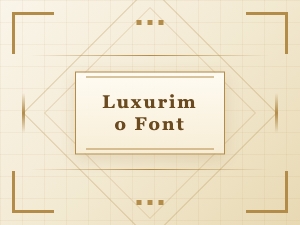 Elevate Luxury Branding with the Luxurimo Font
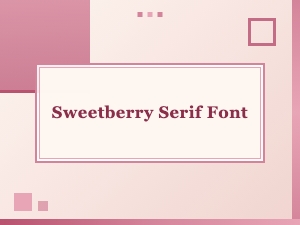 Sweetberry Serif Font: Creative Design Inspiration
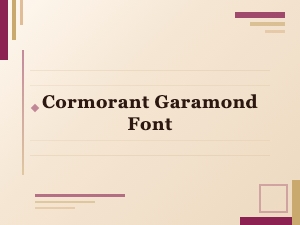 Cormorant Garamond Font: Elegant Display Typography
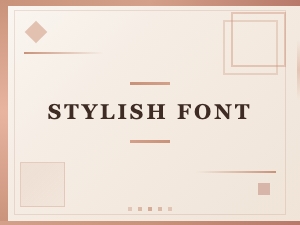 How to Choose a Stylish Font for Your Design Project
 Design Bold Headlines Using the Bouldy Font
 Design Retro Transit Uis with the Departure Board Font